
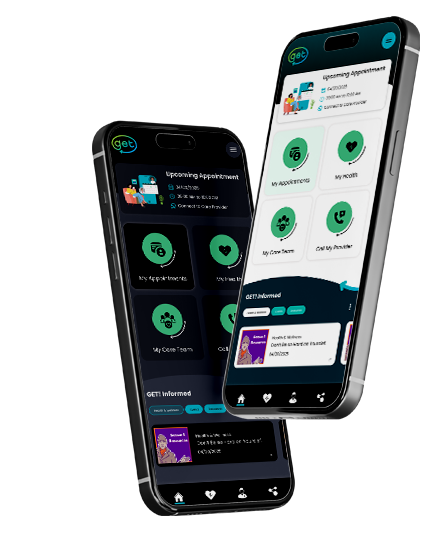
Mobile Application Design
Get! App
UX RESEARCH | UX DESIGN | UI DESIGN | USABILITY TEST | KEY TAKEAWAYS
Overview: My role was to design a seamless, user-friendly, and accessible mobile experience. I focused on creating intuitive navigation, clean UI, and accessibility-compliant design to ensure users of all ages and abilities could manage their healthcare with ease.
- Project type: End-to-end Mobile Application designing.
- UX Skills: User research, wireframing, prototyping, usability testing, design systems, accessibility (WCAG/ADA).
Product Goal:
To help users find care facilities in their local area and facilitate seamless interaction between patients and care providers
My aim is simplifying appointment booking, medication tracking, and communication with care provider, while ensuring a seamless experience across all user touchpoints.
Hypothesis Statement

I believe that if I create a simple, supportive, and easy-to-use mobile app that helps people book appointments, keep track of their medications, talk securely with their care providers, and learn more about their health in ways that feel personal and relevant, then they’ll feel more confident, connected, and in control of their health. Over time, this can lead to better habits, stronger relationships with providers, and healthier lives overall.
My Approch

Research

Ideation

Design
Usability Testing
Implementation
Research
Competitive Analysis
| Platform | Strengths | Weaknesses | Opportunity for Ygetit |
|---|---|---|---|
| HealthySexuals.com |
|
|
|
| PrEP Locator |
|
|
|
| GoFundMe Pro |
|
|
|
| Patient Education Genius |
|
|
|
SWOT Analysis
Strengths
- Combines HIV care, mental health tracking, and support resources in one app.
- In-app chat and call features allow users to connect directly with nearby care facilities and schedule appointments.
- Features like medication reminders, and progress dashboards support user autonomy and habit formation.
- Curated, accessible articles increase mental health awareness and reduce stigma, especially for underserved communities.
Weaknesses
- Users without stable internet cannot access support or content when most needed.
- Medication logs and mood data are not yet shared with care providers, limiting coordinated care potential.
- Articles are helpful, but without personalization or dynamic recommendations, content might not feel relevant to all users.
- Lack of user retention after onboarding
Opportunities
- Introduce anonymous group chats, forums, or peer mentorship features to encourage shared experiences and reduce isolation.
- Enabling care providers to access user logs could foster personalized care and better health outcomes.
- Broaden the content offering beyond HIV and mental health to include nutrition, and sexual health, empowering users with holistic wellness education and actionable guidance.
- Grow the content library to cover related areas like HIV, Mental Health and educate Users.
Threats
- Given the nature of HIV and mental health data, any breach could severely impact trust and compliance (HIPAA, GDPR).
- Some users may hesitate to use or share the app due to social stigma or fear of being identified.
- Like many health apps, there's a risk of users disengaging without sustained support or new value.
- Care facilities connected to the app may face staff shortages, long appointment wait times, or inconsistent follow-ups, resulting in poor user experiences even if the app functions well.
Feature Opportunities Matrix
Ygetit should position itself as a comprehensive digital HIV health companion combining PrEP access, emotional support, local events, personalized education, and fundraising help all in one mobile app.
| Feature | Description | User Value |
|---|---|---|
| Smart PrEP Finder | Integrate a location-based PrEP and HIV testing center locator (e.g., via PrEP Locator API). | Helps users find nearby real-world services easily and discreetly. |
| Telehealth Integration | Offer secure chat and video consultations with HIV counselors and medical professionals. | Reduces stigma, improves access to care, and supports privacy. |
| Mood & Medication Tracker | Built-in tool to track emotional wellbeing and medication intake, with gamification and AI insights. | Improves adherence and empowers users to monitor their health. |
| Resource Hub | A personalized library with curated content from CDC, HealthySexuals, and trusted sources. | Builds knowledge, trust, and promotes health literacy. |
| Event Calendar | Lists upcoming HIV awareness events, support groups, workshops, and community programs. | Encourages connection and community support. |
| AI Chat Companion | Offers daily check-ins, medication reminders, mood tracking support, and Q&A in a conversational format. | Enables stigma-free, on-demand interaction and support. |
| Patient-Provider Shareable Reports | Auto-generates reports from user data that can be securely shared with healthcare providers. | Improves care coordination and provider communication. |
User Interviews
Persona 1
- Name: Alan Gagnon
- Age: 34
- Occupation: Hotel Assistant
- Location: New York
- Tech Proficiency: Basic
- Goals:
- Communicate with his care provider discreetly.
- Access credible mental health resources.
- Monitor emotional health through mood tracking
- Frustrations:
- Gets overwhelmed with too many health apps.
- Misses medication occasionally during travel or busy weeks.
- Hard to register for events with multiple steps
- Activities
- Conclusion
Ygetit must provide a seamless, visually-driven experience that combines habit-forming features with Mental Wellness Resources and Care Provider appointment tracking system.
Persona 2
- Name: Bob Peters
- Age: 45
- Occupation: Public Worker
- Location: New York
- Tech Proficiency: Intermediate
- Goals:
- Communicate with care providers without needing to travel.
- Manage Lab Reports in Mobile App.
- Manage my Medication through Mobile App.
- Frustrations:
- Frequently forgets to take medication.
- Worries about changes in his emotional or physical health.
- Worries someone may see he using an HIV-related app.
- Activities
- Conclusion
I want a single, easy-to-use application that helps me track my medication, monitor my mental health and mood swings, and manage my appointments with care providers all in one place.
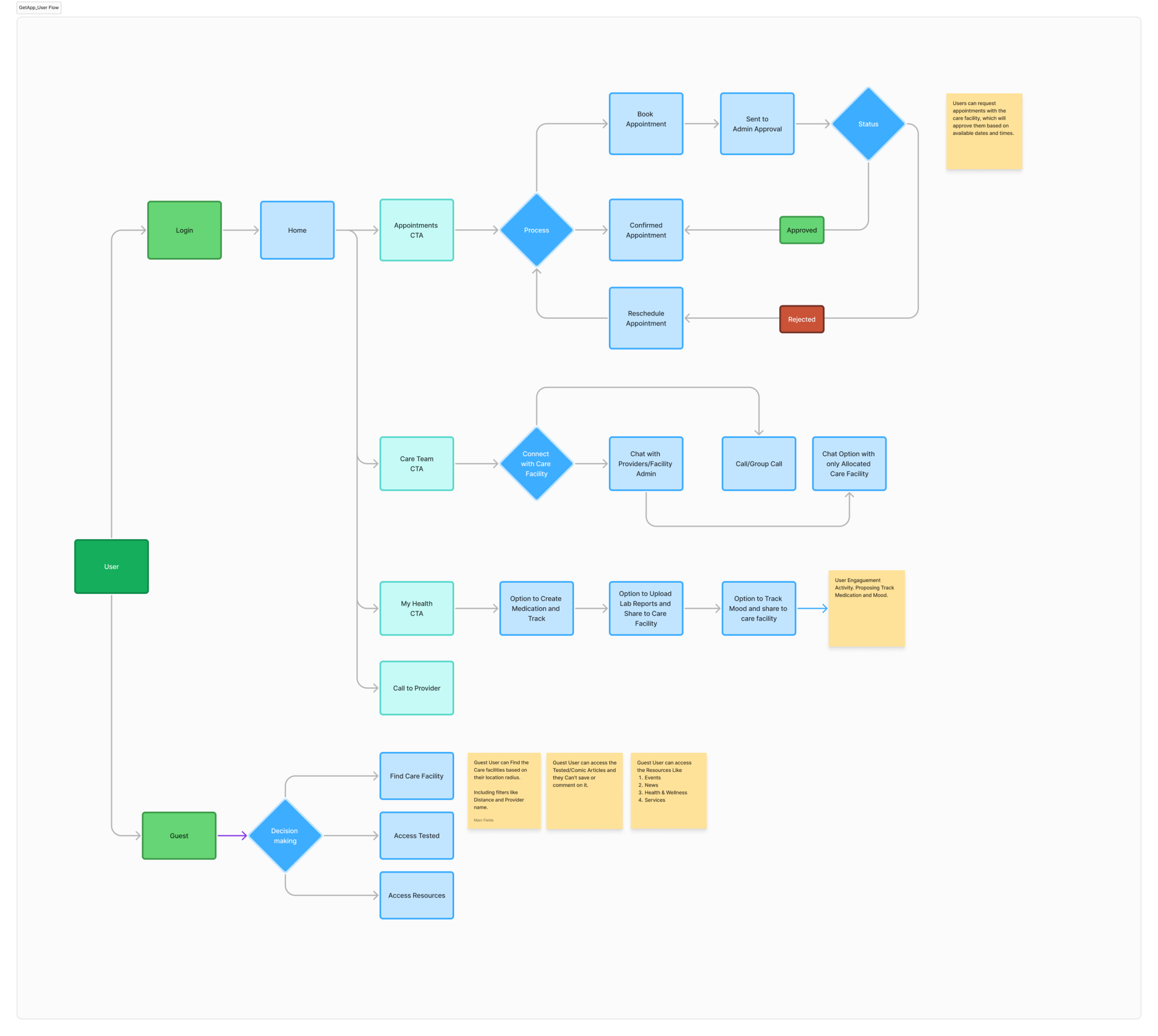
User Flow
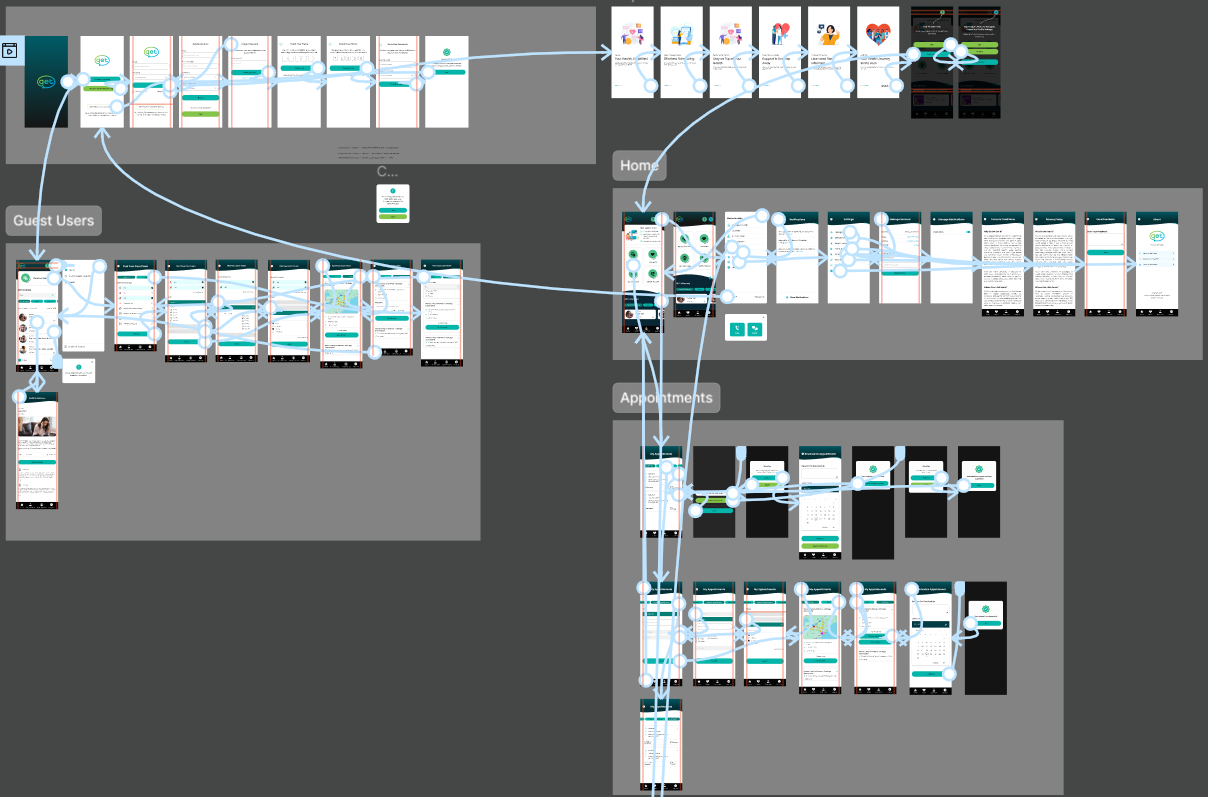
The user flow for Ygetit is designed to create a seamless and emotionally supportive experience across core functionalities Geo locator, mental health tracking, education, events, and Appointments.
Goal: Empower users to access care, track wellness, and get support without friction, stigma, or confusion.
Ideation
sketch early concepts
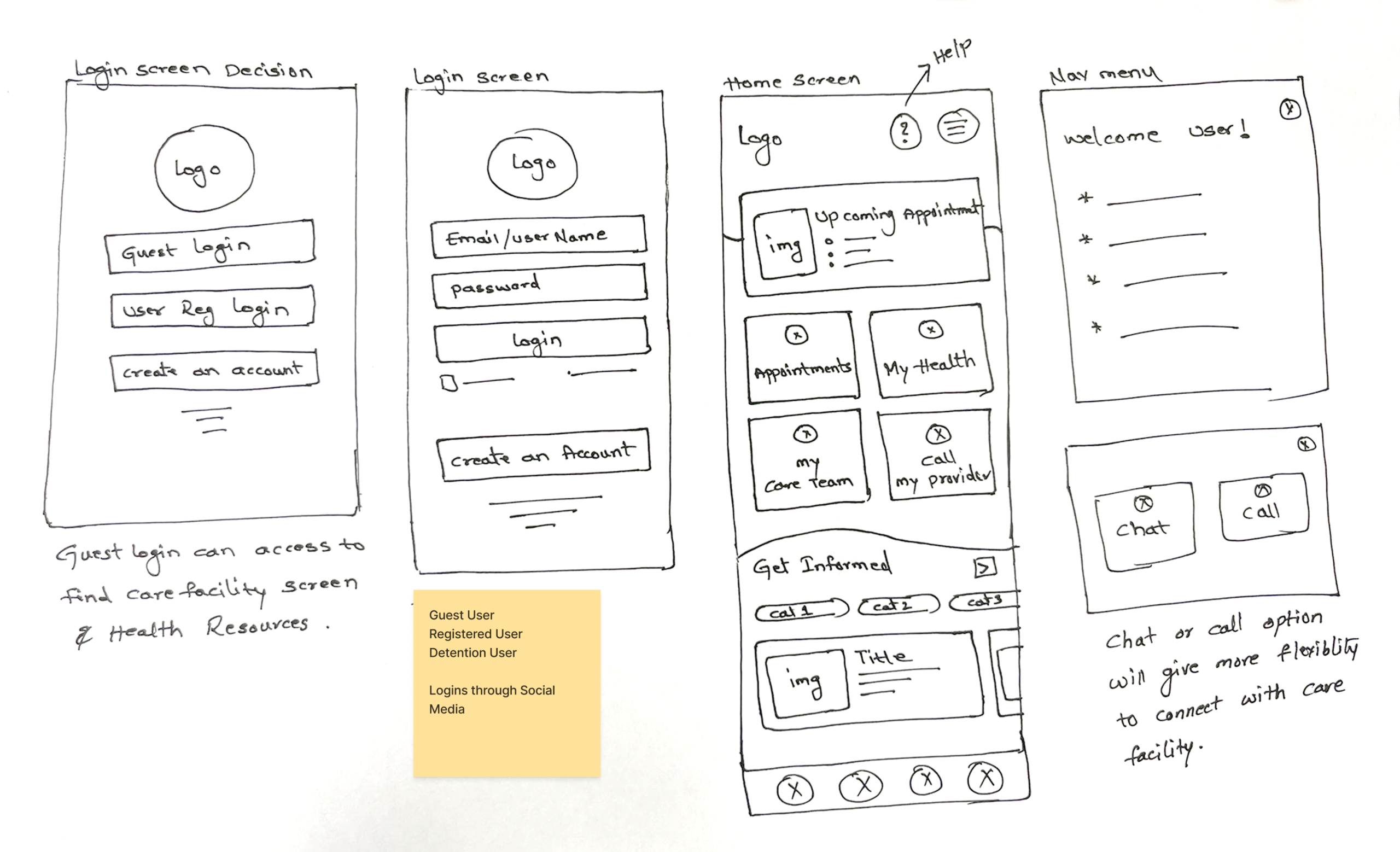
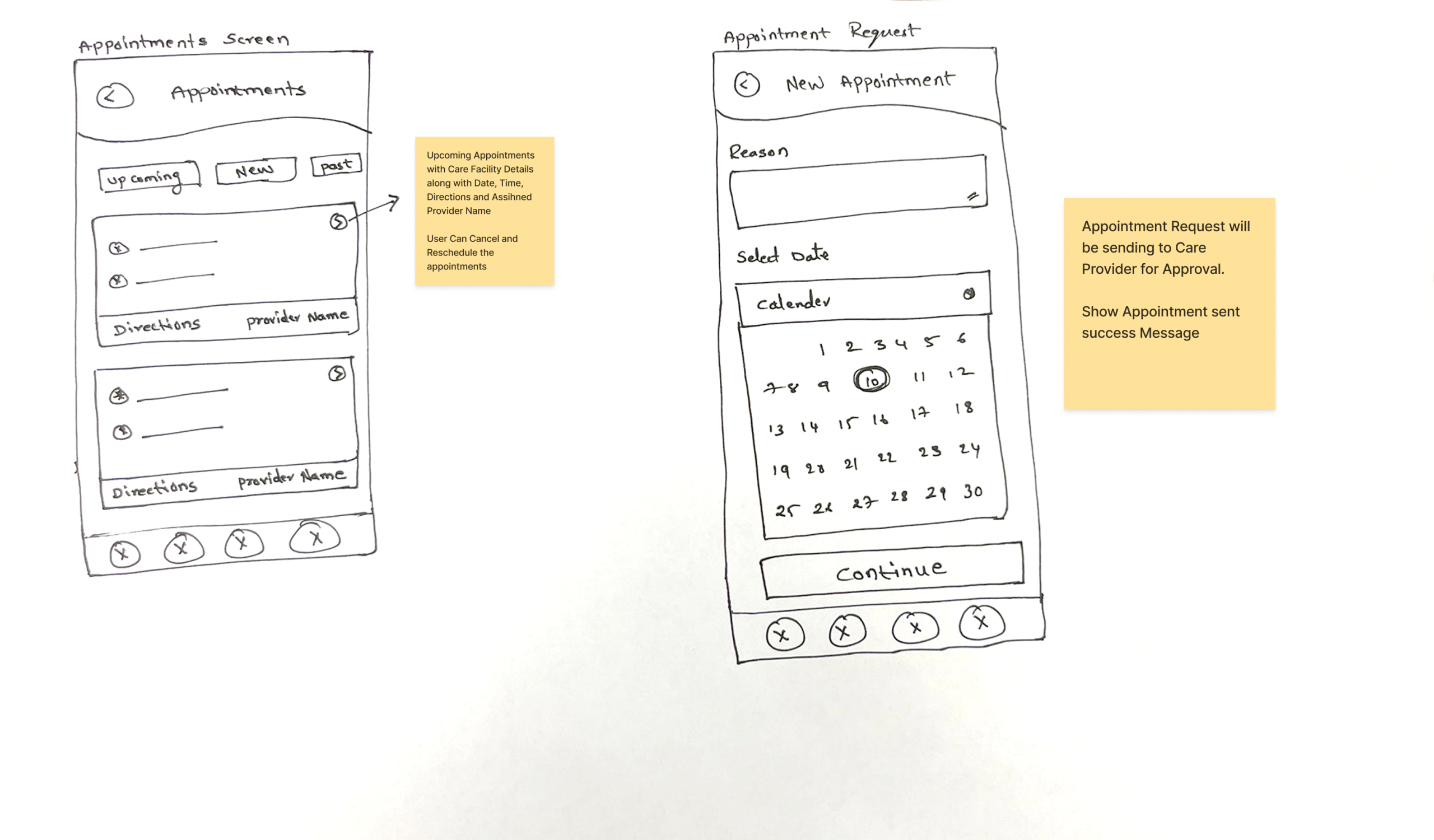
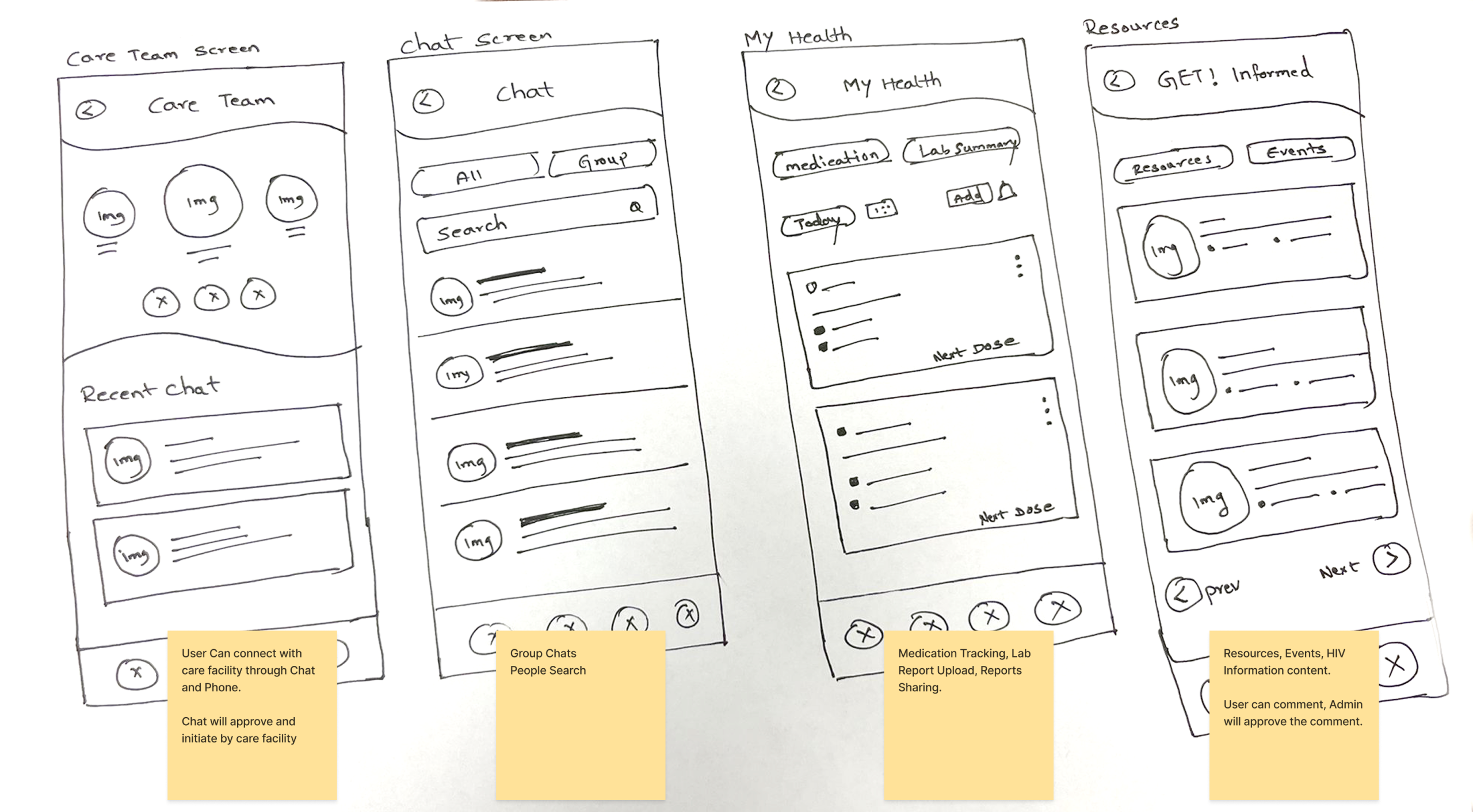
Rapid Idea Exploration
For Ygetit, early sketches helped visualize core features like the Geo locator, Appointments, and AI chat companion, ensuring the app remained intuitive and user-centered. These low-fidelity visuals encouraged open feedback, enabled rapid iteration, and clarified the app’s structure laying a strong foundation for wireframes and user testing.
Design
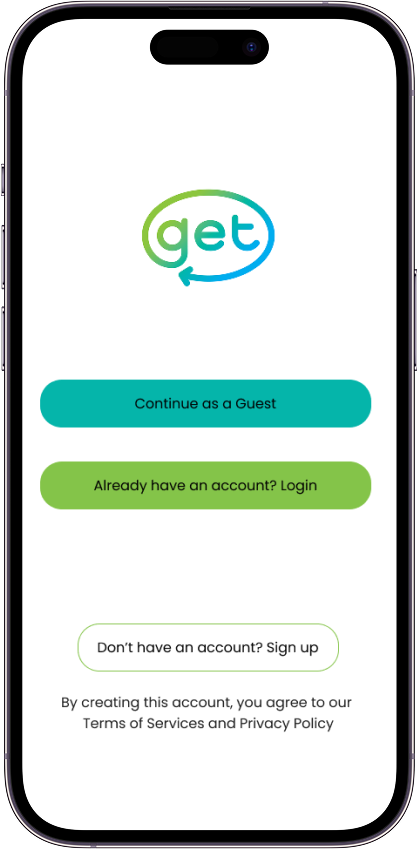
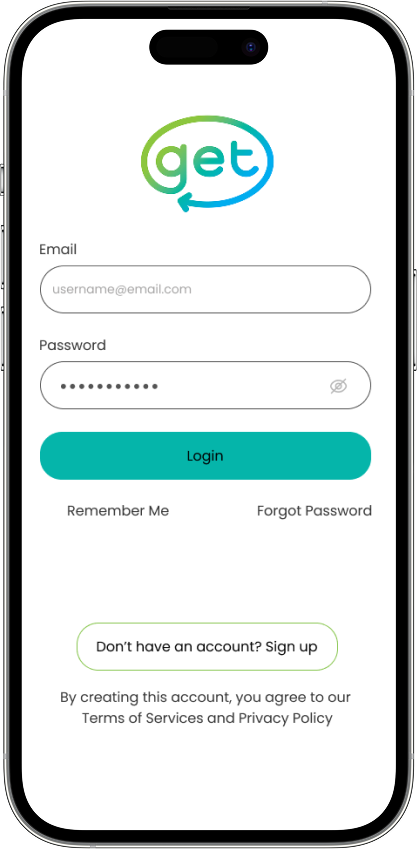
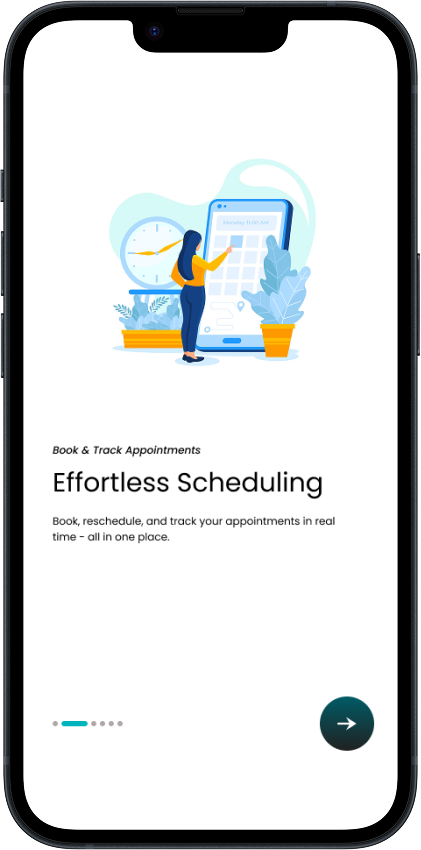
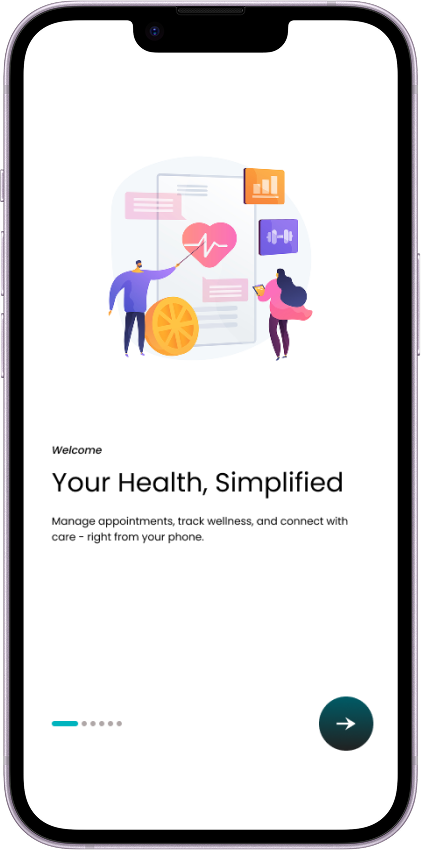
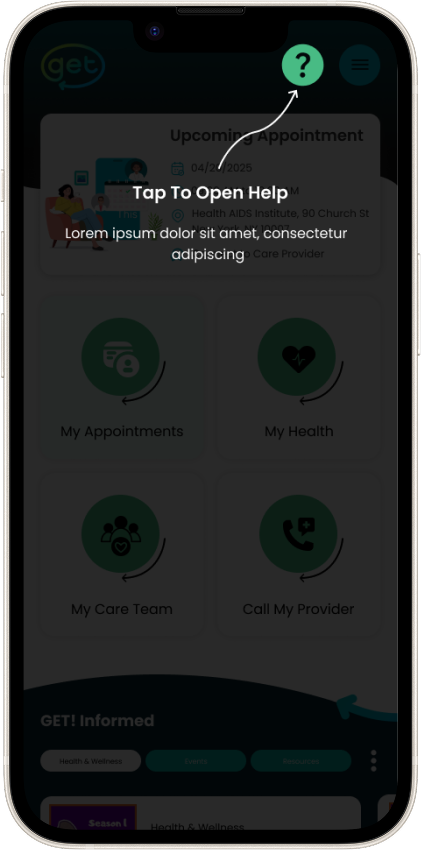
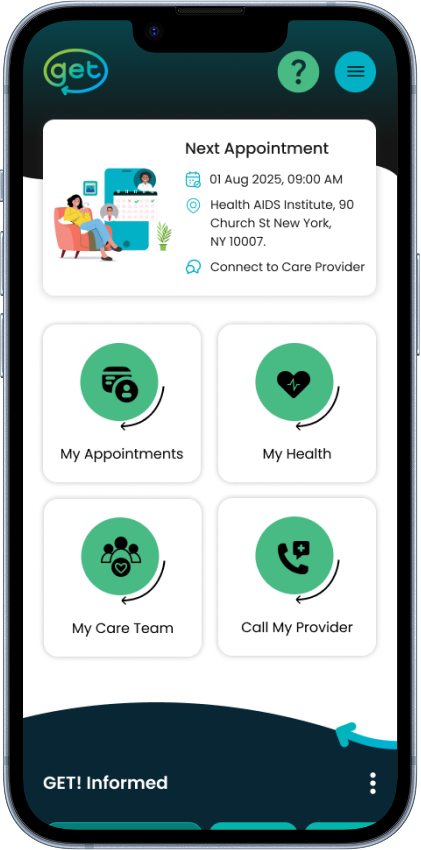
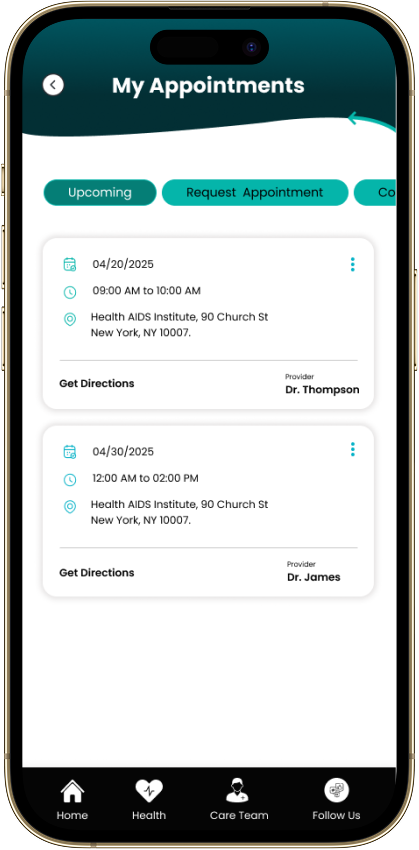
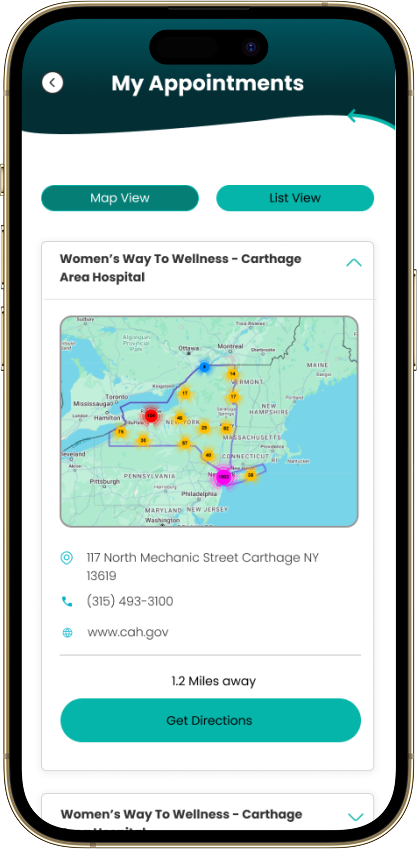
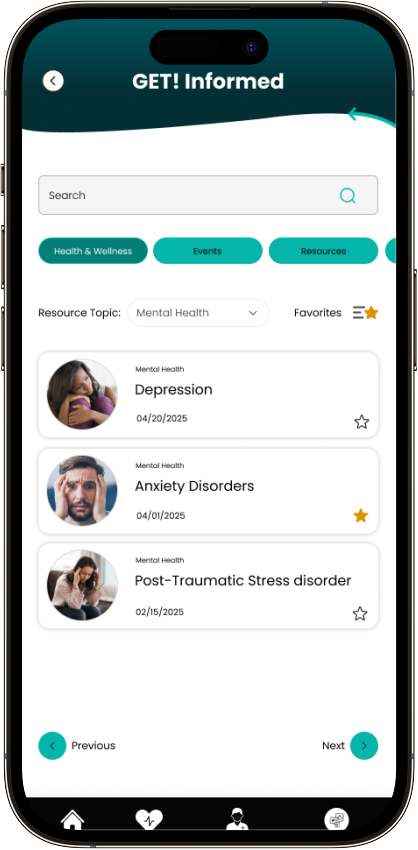
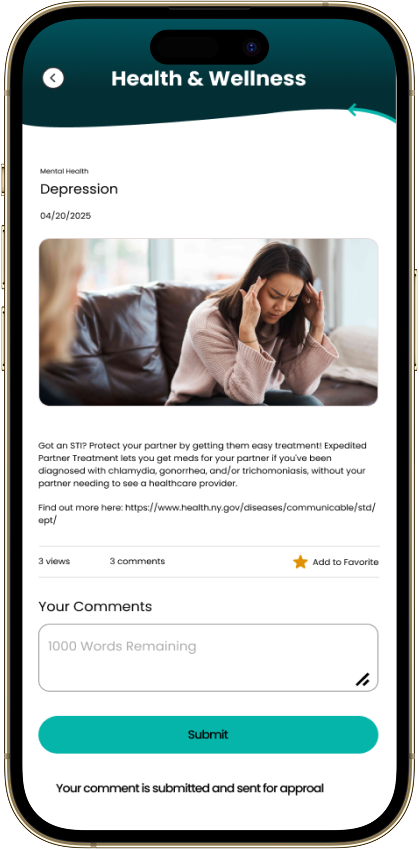
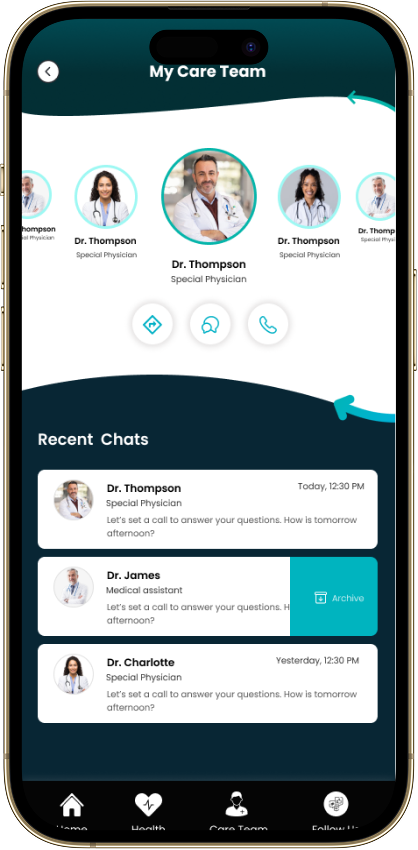
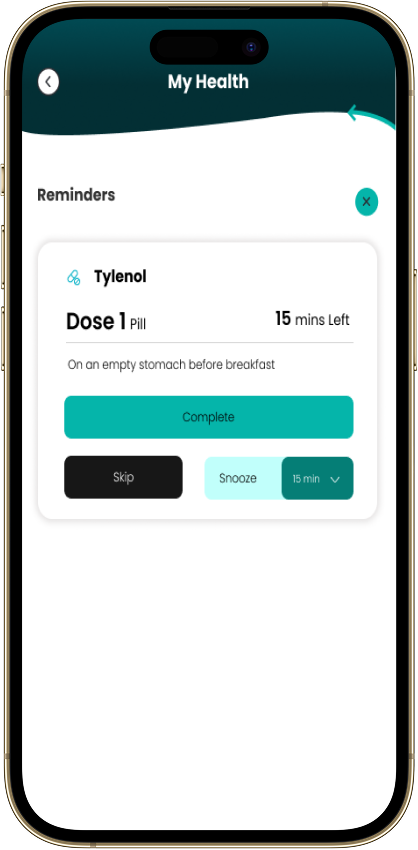
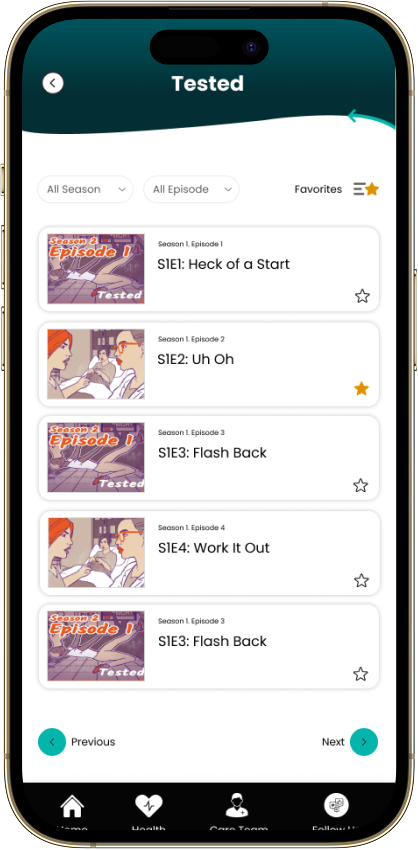
Visual Designs
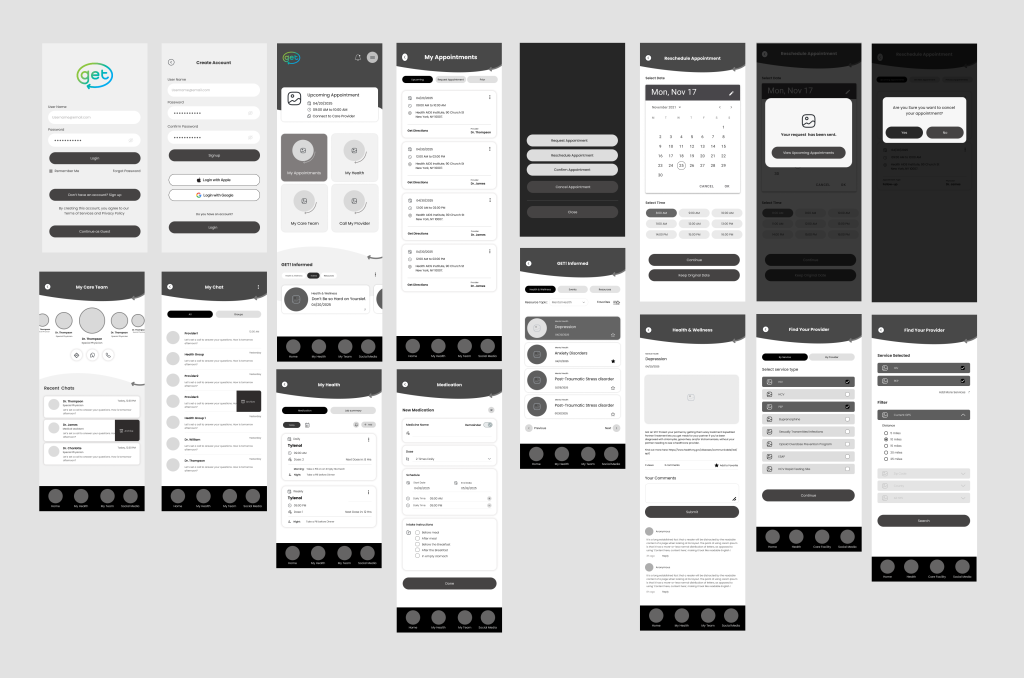
Bringing the product vision to life with precise visuals, typography, colors, and interactions that closely resemble the final experience.
Prototype
For Ygetit, prototyping helped simulate user flows like medication tracking, finding nearby Facility centers, and engaging Users with the AI chat companion, ensuring each feature felt intuitive and accessible. By testing early and often, we reduced development rework, gained user feedback faster, and built confidence in design decisions.
Usability Testing
I conducted heuristic evaluations and heat map testing with both subject matter experts and real users to assess the intuitiveness and efficiency of our initial design. To validate the user flows and prototype, I engaged stakeholders and recruited participants for usability testing. Insights from these sessions uncovered several usability issues, which informed key iterations before moving forward.
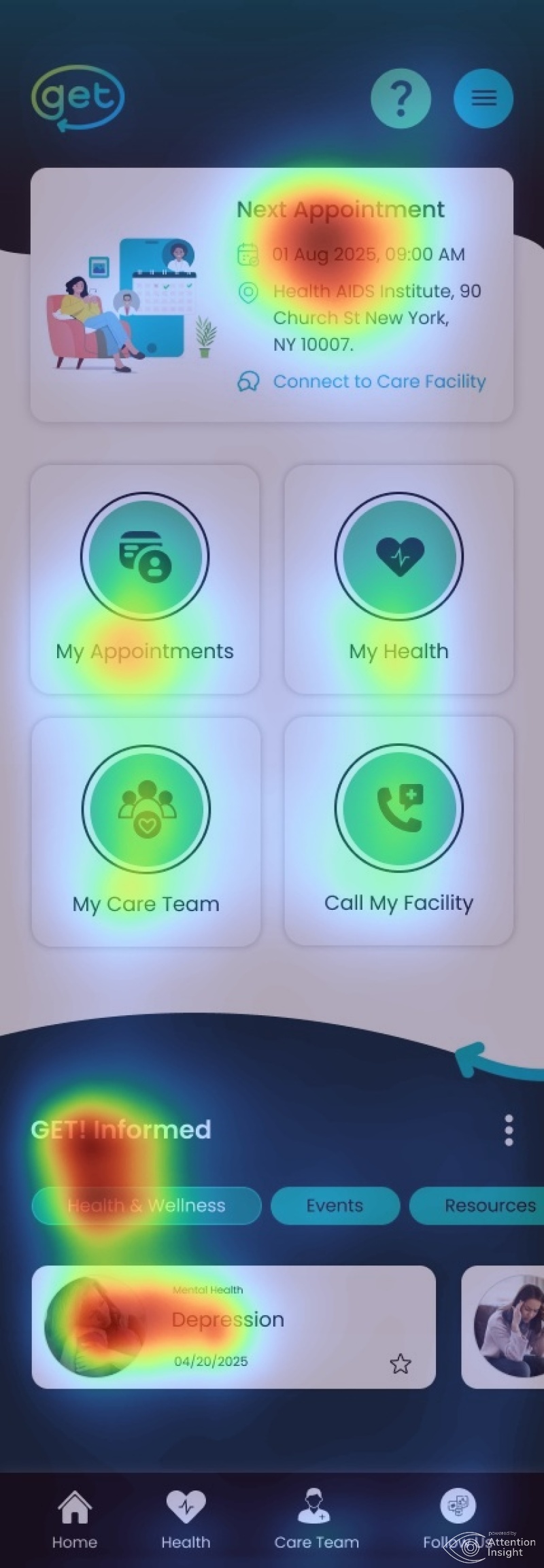
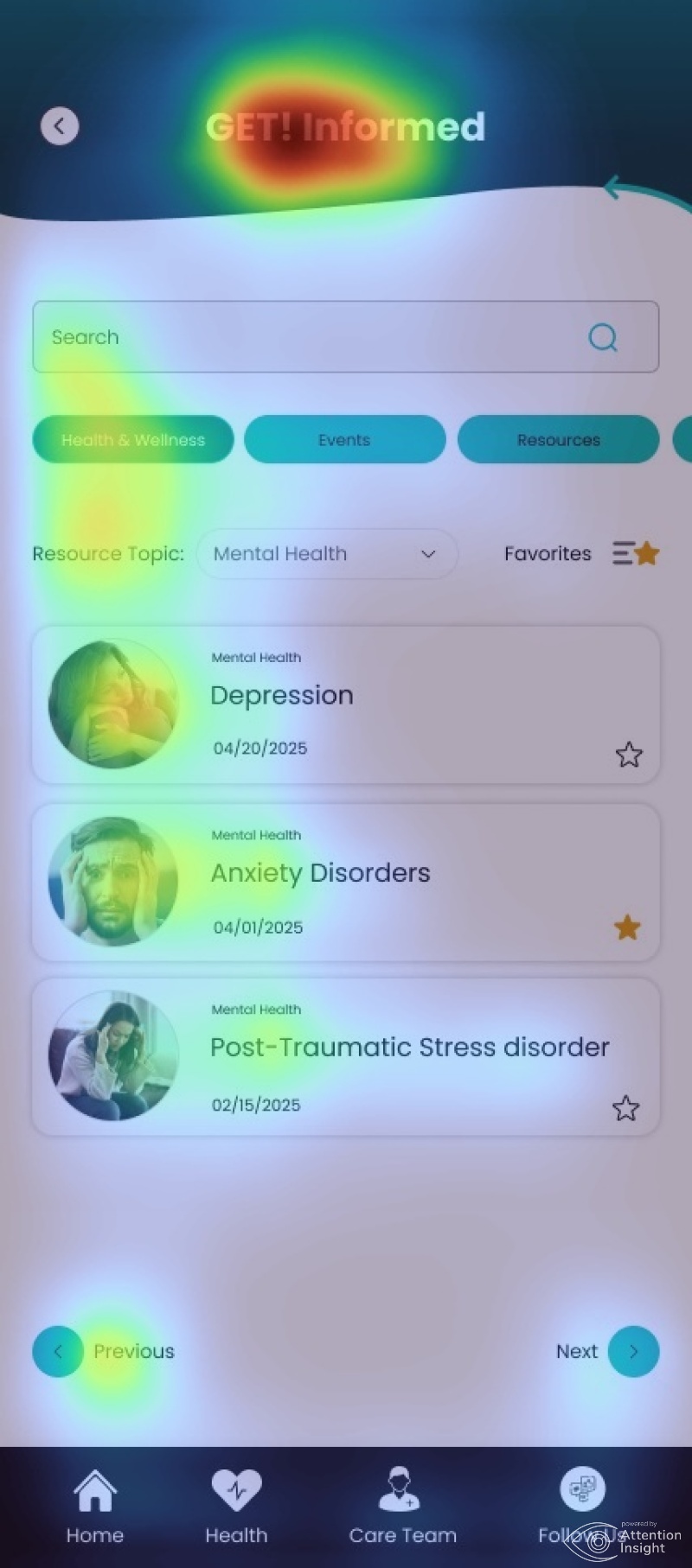
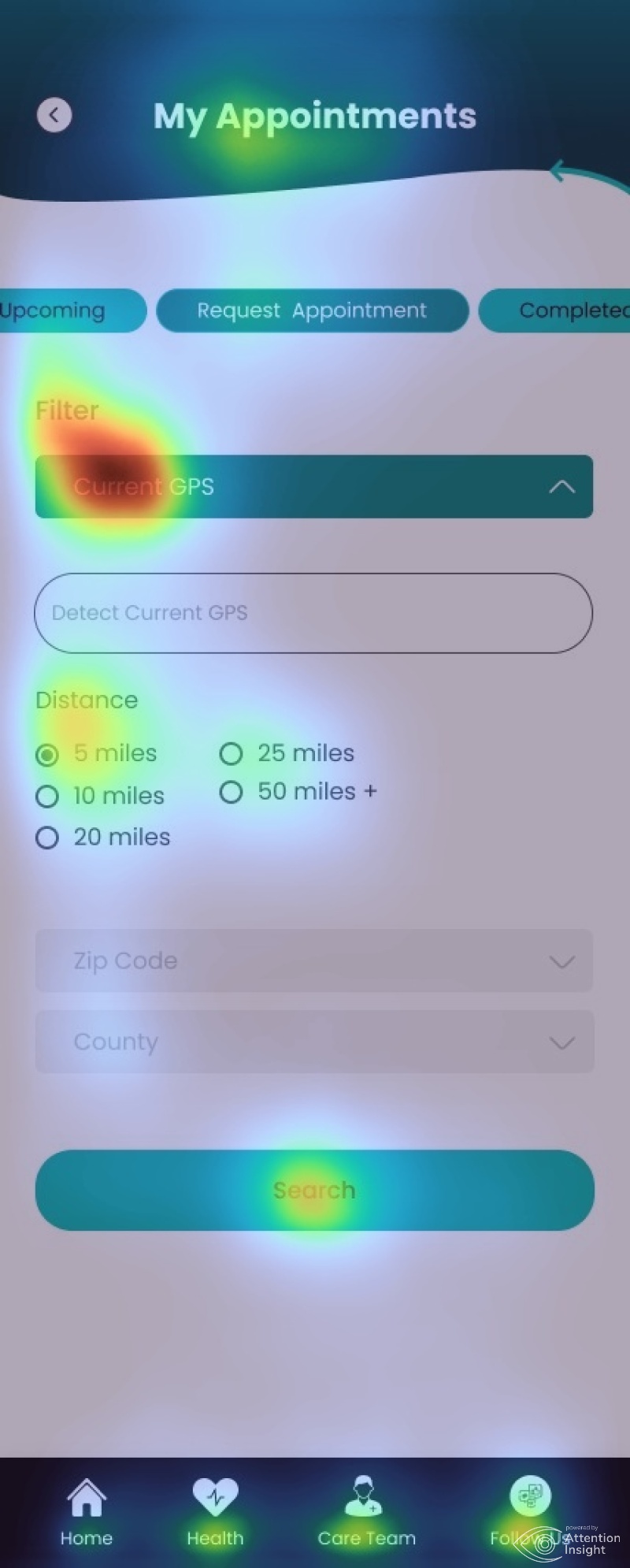
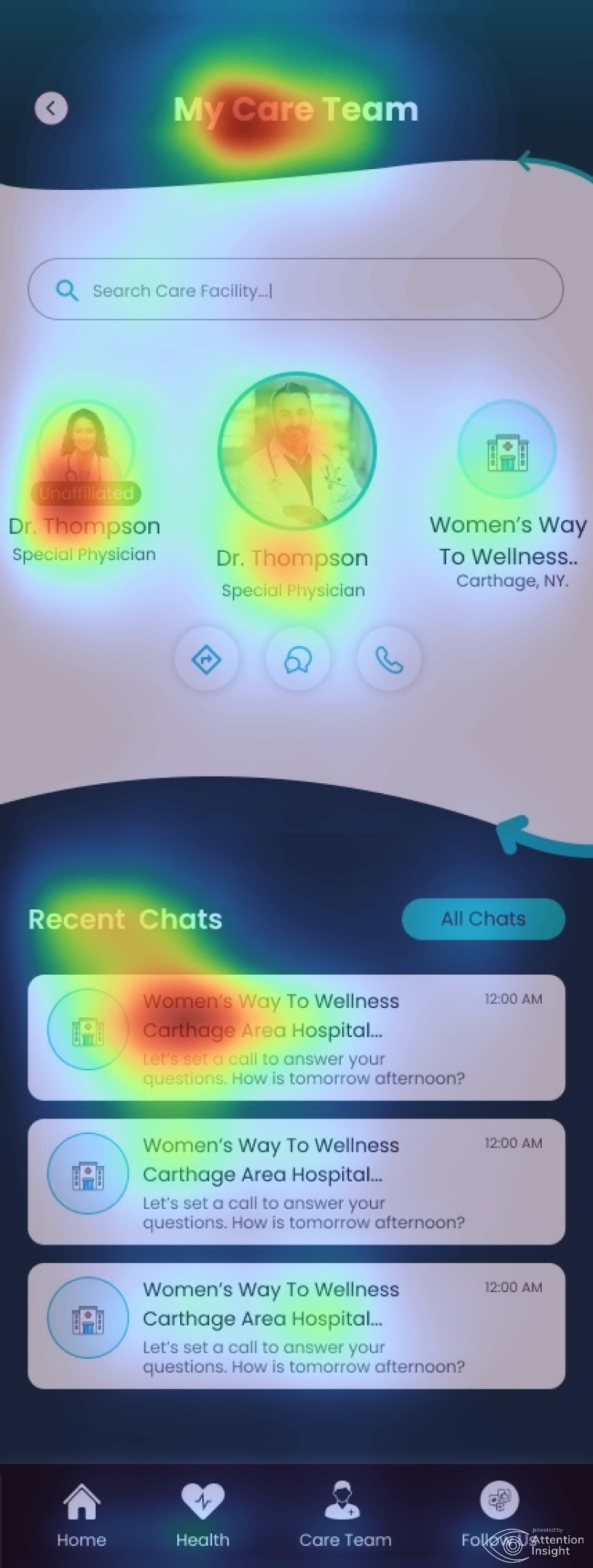
Using heat map testing to visually analyze user behavior, I identified high-engagement areas and friction points. This led to achieving 70% Optimal Clarity and an 85% Focus Score. Additionally, I improved CTA visibility to exceed the industry average by over 8%.
Improvements
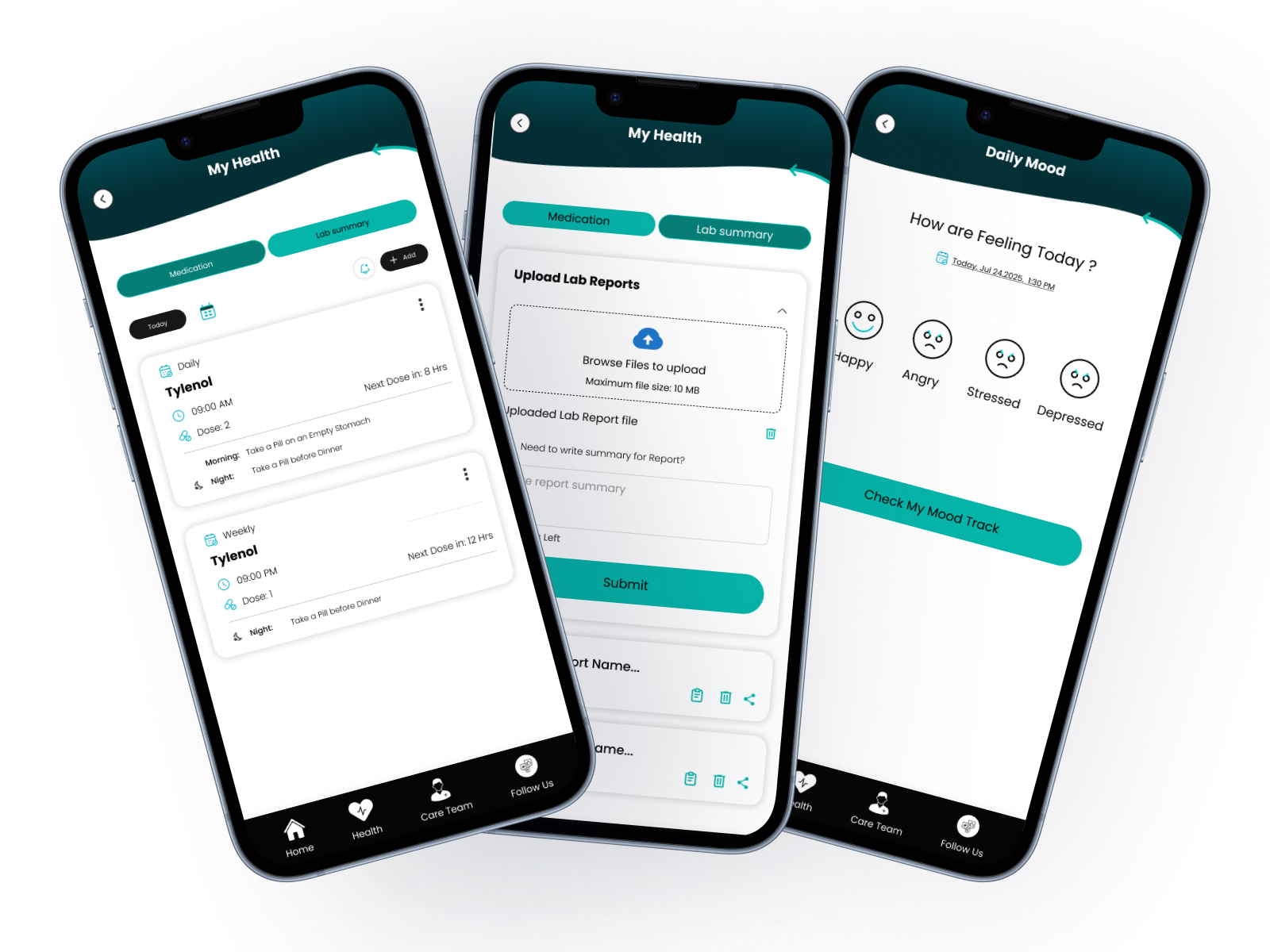
To further enhance user engagement and retention, I introduced key features like Mood Tracking, Lab Reports and Medication Reminders, which added meaningful value to the Ygetit app supporting daily health routines and emotional well-being in a discreet and empowering way.
Implementation
For the Ygetit project, I implemented a full UX design process to ensure the solution was user-centered, accessible, and aligned with real-world healthcare needs. Starting with user research, I conducted stakeholder interviews and surveys to identify pain points and expectations. I then created user personas and journey maps to guide ideation. Sketching early concepts helped visualize core features like Facility locator, Appointments and mood tracking. Wireframes and high-fidelity prototypes were developed using Figma, followed by usability testing, heuristic evaluation, and A/B testing to validate design decisions. Based on feedback, I iterated the design and introduced engaging features like AI-powered chat support, mood and medication trackers, and integration with services like Facility Locator, and Tested resources. The final solution was intuitive, accessible, and ready for development handoff with clear design specs and documentation.
What I Learned?
Gained a deeper understanding of designing for sensitive healthcare topics like HIV prevention and mental wellness.
- Realized the importance of accessibility and privacy in health-related UX.
- Enhanced my skills in conducting heuristic evaluations, A/B testing, and usability testing to drive iterative design improvements.
- Discovered how small user experience tweaks like mood tracking or daily reminders can have a large impact on user retention.
- Understood the value of clear communication and collaboration with stakeholders, developers, and researchers throughout the UX process.
What can I do better?
- To reduce technical constraints that limit design flexibility and user experience.
- Encourage stakeholder shadowing during research to build empathy for end users.